Reduce Food Waste in Your Restaurant: A Weekly Habit
6 min read
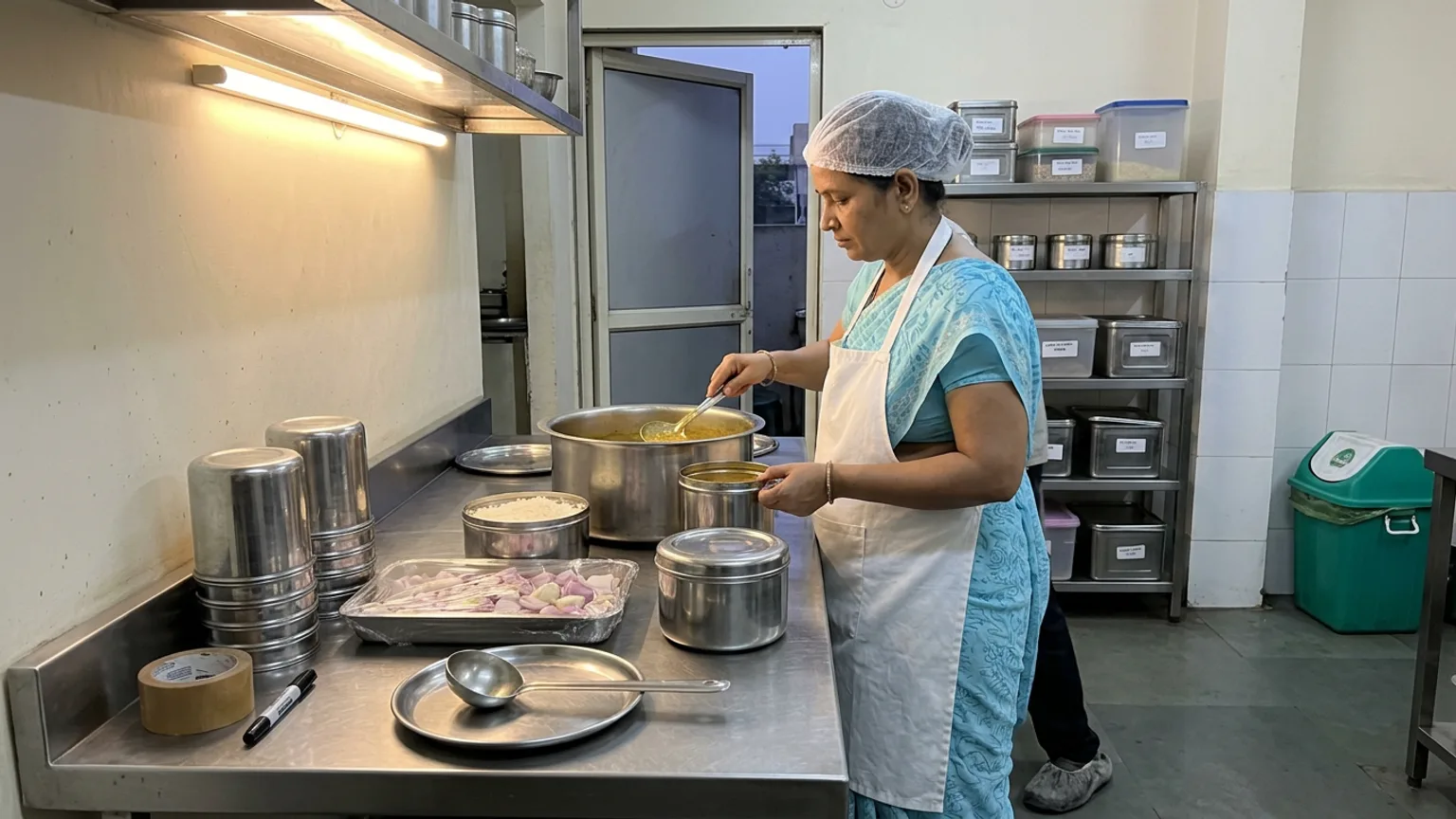
Every kitchen throws food away, and most owners only notice on the days it hurts: a full tray of gravy at closing, a crate of tomatoes gone soft. If you want to reduce food waste in your restaurant, you do not need a new kitchen or a big budget. You need to write down what gets thrown out, look at the list once a week, and change one thing at a time.
This guide is for owners of cafés, restaurants and food stalls. It gives you a daily habit that takes about two minutes, a weekly review that takes ten, and the prep changes that usually follow.
Why you cannot fix waste you do not see
Waste hides inside other numbers. It shows up as a higher food cost, as ingredients that run out faster than sales explain, or as a feeling that the dustbin is too full. Without a record, every cause looks the same, and the usual response is to blame the staff or cut portions.
A written record changes that. Once each item has a quantity and a reason beside it, patterns appear within two weeks: one dish you always over-make, one vegetable you always over-buy, one shift where plates keep coming back.
The five places food is usually lost
| Where it happens | What it looks like | First fix |
|---|---|---|
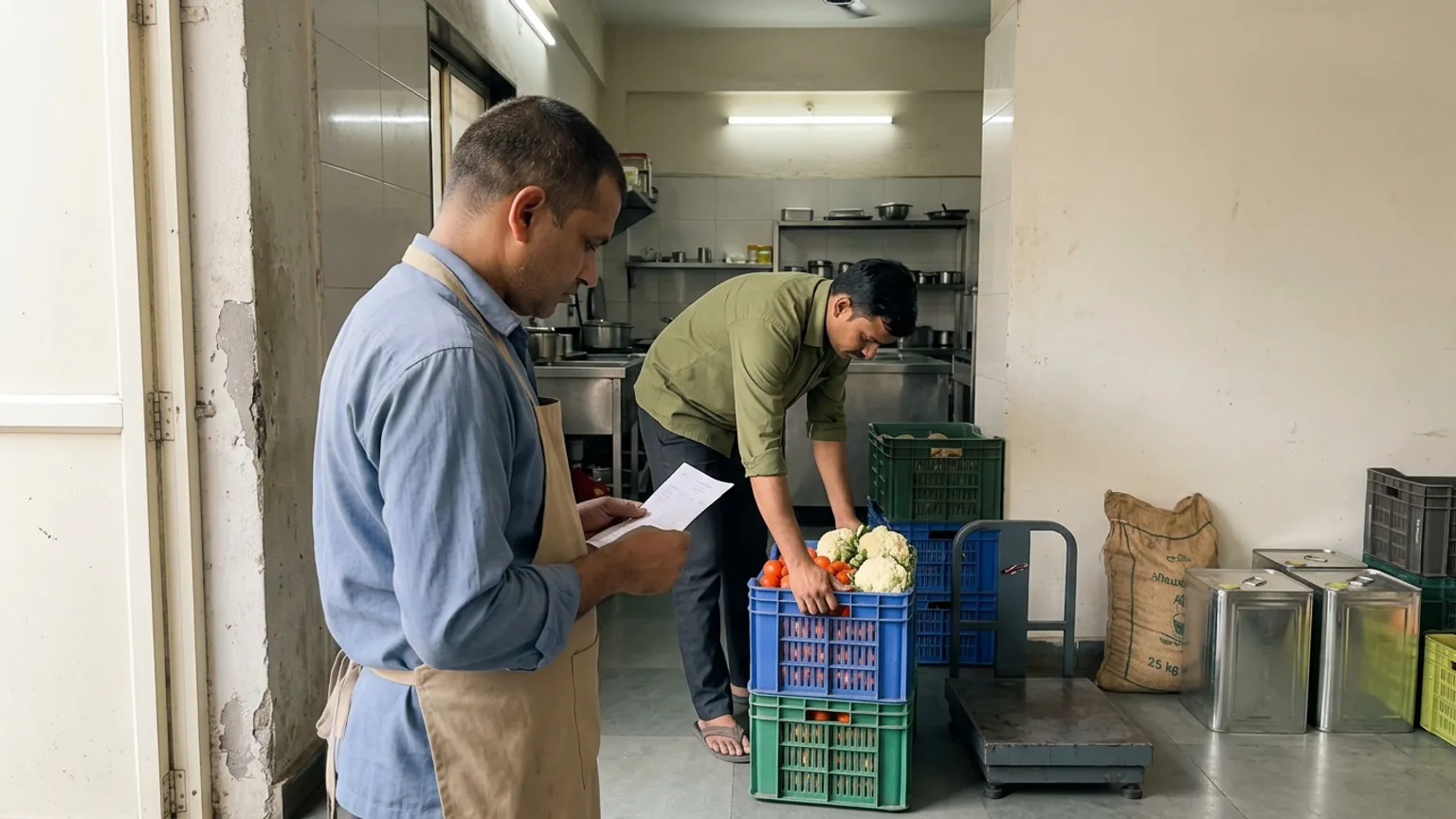
| Storage | Vegetables, dairy or batter that spoils before use | Label with the date received, use the oldest first, and buy smaller lots of fast-spoiling items. |
| Prep | Trimmings, over-chopped vegetables, a sauce batch made too big | Prep to a number, not to a feeling. Weigh the first few batches. |
| Cooking | Burnt, dropped or made-wrong dishes | Log them as 'made wrong' so you can see if one dish or one shift causes most of it. |
| Service | Returned plates and orders the customer did not want | Note the reason. A pattern in returns is a recipe or portion problem. |
| Closing | Cooked food nobody bought that day | Cook smaller batches later in the day, and decide in advance what is kept, what is a staff meal and what goes. |
Step by step: a waste habit that sticks
Pick one place to record
A notebook by the pass works. So does your stock tool. What matters is that it is in one place and everyone knows where.
Write four things each time
The item, how much (a number, even a rough one), the reason, and roughly what it cost. Skip the essay.
Use a short list of reasons
Went bad, past its date, damaged, made wrong, returned by a customer, did not sell, other. Fixed reasons make the weekly review quick.
Close the day on purpose
At closing, go through what is left and decide each item: keep it for tomorrow, give it as a staff meal, or waste it. Do it every night, even when it is a short list.
Review every week for ten minutes
Sort by item and by reason. The top two or three lines cause most of the loss. Change those, and ignore the rest for now.
Fixes that usually follow the numbers
- Cook in smaller batches. Gravy, rice and dal made twice in the day beat one big pot at noon.
- Set a prep number for each weekday. Mondays and Saturdays rarely sell the same. Write the number on a board.
- Trim your menu's slow lines. If two dishes need a perishable nobody else uses, one of them is probably costing you more than it earns.
- Reuse safely. Plan dishes that share a prep, so a half-used ingredient lands in another dish the same day.
- Store properly. Lidded, labelled and dated containers, chilled food kept cold. Follow the FSSAI hygiene rules that apply to your licence.
- Give staff meals a place. A planned staff meal is not waste, but it is also not free, so record it separately.
Doing it in KioSnap
Waste logging is on every KioSnap plan, including the free one. In the dashboard or the vendor app, open Stock, tap Something got wasted, pick the item, type how much and choose a reason: Went bad, Past its date, Damaged or broken, Made wrong, Returned by a customer, Didn't sell or Other. It comes off the shelf, and the Waste report shows what was thrown away, why and what it cost, by week or month. See manage your stock for the full steps.
For dishes you make fresh each day, you can mark them as made daily. At closing, Close the day's stock lists what is left and asks you to keep it, waste it or give it as a staff meal. Staff meals are reported apart from waste, so the waste number stays honest.
- to log waste, on every plan
- ₹0
- reasons to pick from, so the review is quick
- 7
- choices at closing: keep, waste or staff meal
- 3
On Gas (₹599 a month) and above, a make plan suggests how many of each made-daily item to cook, based on what that weekday has sold. Counts of ingredients, purchases and reorders start on Charcoal (₹299 a month). Charcoal and above come with a 14-day free trial and a one-time ₹199 setup. If you also want to turn waste into a cost figure, read food cost percentage for a restaurant, and for the counting side see restaurant inventory management. KioSnap for cafés and restaurants has the rest.
A realistic first month
- Week 1: log everything, change nothing. You are only learning.
- Week 2: pick the single biggest line in the log and change its prep or its storage.
- Week 3: check whether that line shrank. Pick the next one.
- Week 4: set weekday prep numbers for your top five made-daily dishes.
Expect the first week's log to look worse than reality, because you are finally counting what was always thrown away. That is the point. By the end of the month you will know which two or three habits cost you the most.
Common questions
How do I reduce food waste in a small restaurant?
Log every item you throw away with a quantity and a reason, then review the list weekly. Change the biggest one or two causes first, usually over-prepping or over-buying.
What is a restaurant food waste log?
It is a simple record of what was thrown away: the item, how much, why, and roughly what it cost. A notebook or a stock app both work if you use them every day.
Is a staff meal counted as food waste?
No. A planned staff meal is a use of food, not waste, but it has a cost. Record it separately so your waste figure shows only what was thrown away.
How much food waste is normal in a restaurant?
It varies a lot by menu and style of service, and published figures differ. Rather than chase an industry number, track your own week by week and aim to bring it down.
Does KioSnap have waste tracking?
Yes. Waste logging, the Waste report and the closing leftovers sheet are on every plan, including the free one. Ingredient counts need Charcoal and above, and the daily make plan needs Gas and above.
Put this into practice today
Create your free storefront in minutes. No app for your customers, zero commission on your sales.