Makar Sankranti Sweets Business from Home: Plan for 2027
8 min read
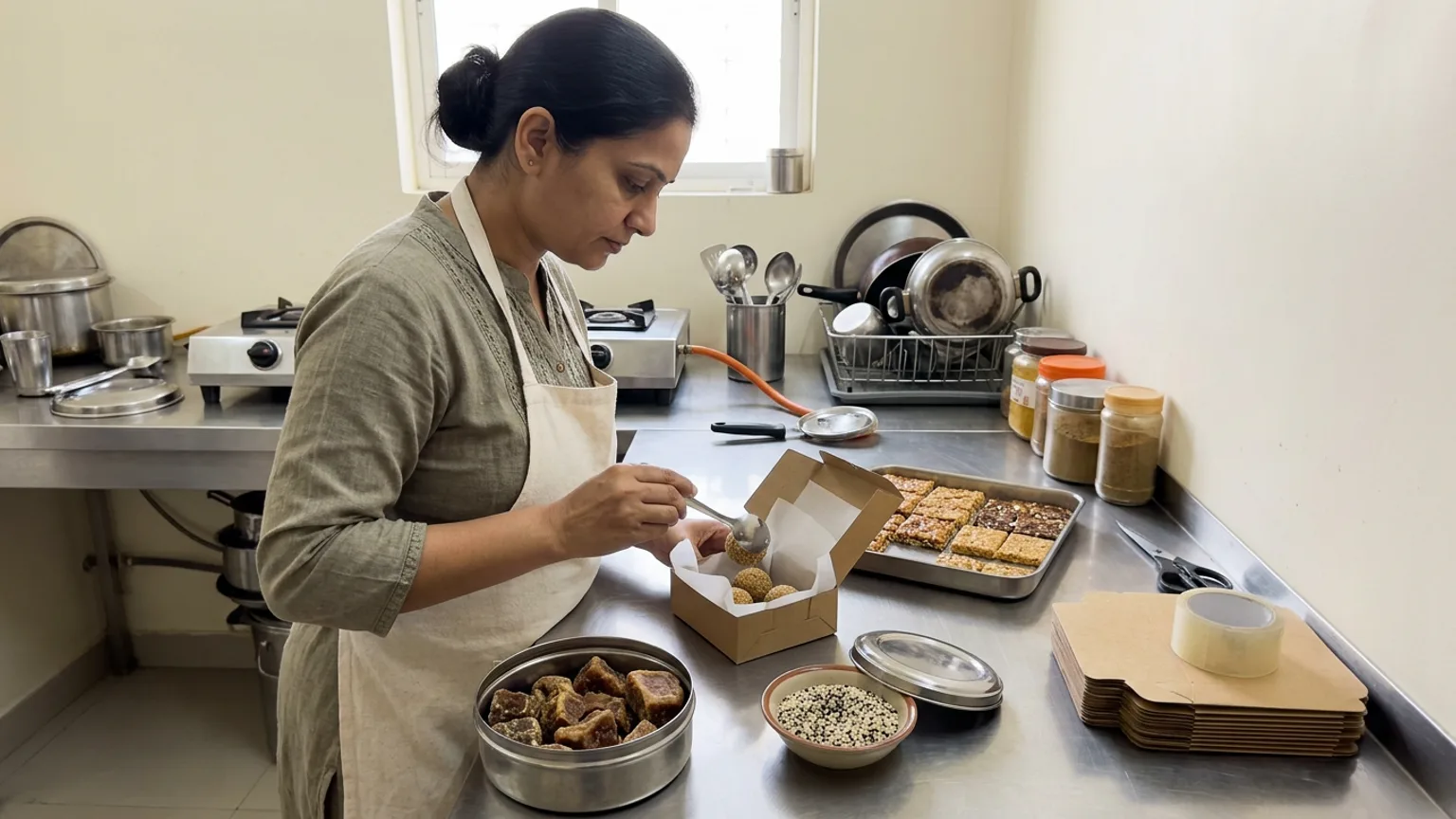
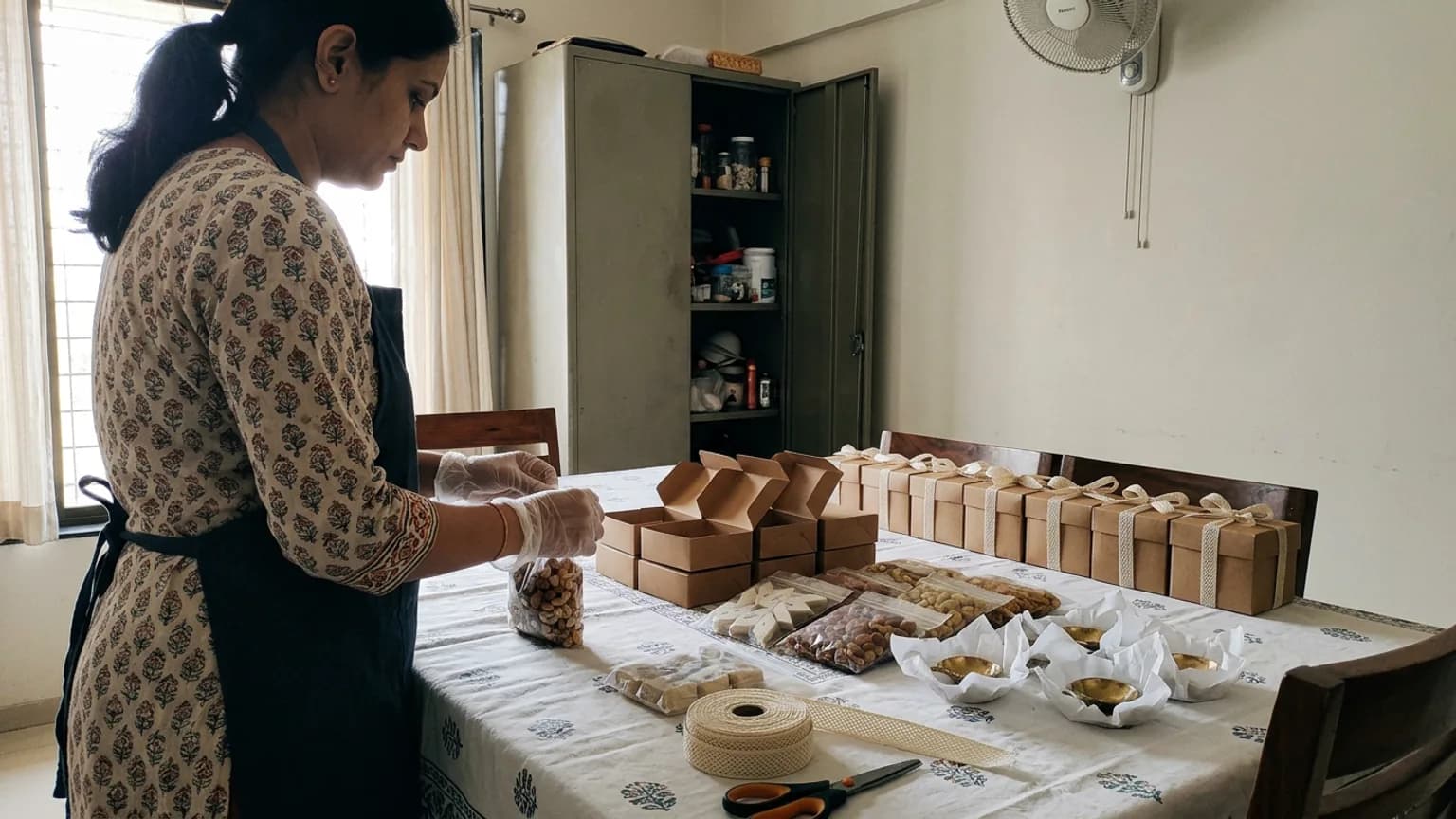
A Makar Sankranti sweets business from home has a short, sharp season. Chikki, til laddoo and gajak sell in the days before Thursday 14 January 2027 (some panchangs observe it on the 15th), and almost all the orders arrive in the last fortnight. That is the week your phone fills with messages and your kitchen runs out of jaggery.
This is a plan to work backwards from the festival: what to make, how to price it, when to stop taking orders and how to keep every order in one place. Most of it works with any tool. One section shows how to take the orders on a storefront instead of in chat.
Start now: choose a small range and test it
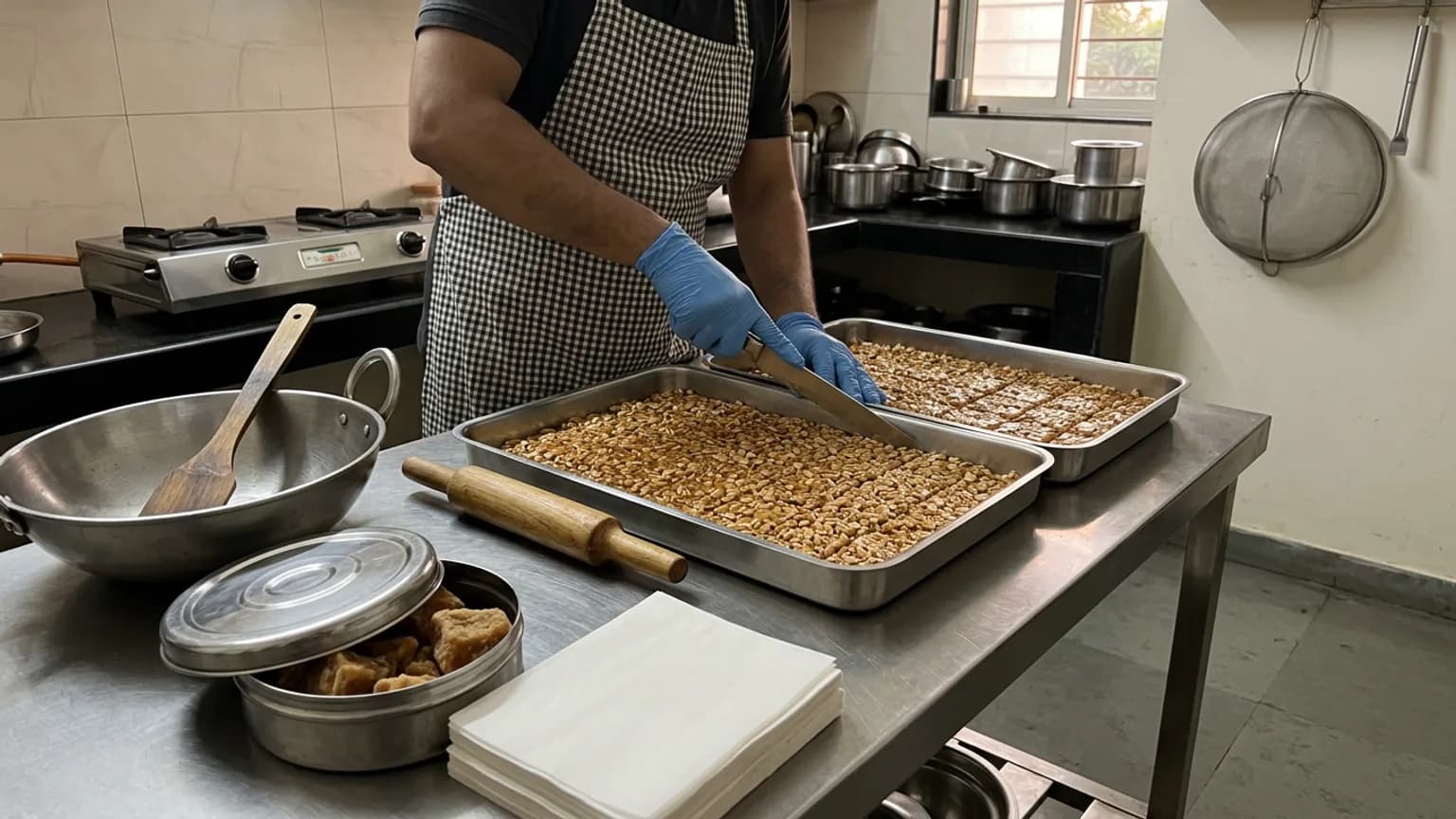
Sankranti sweets keep for days, which makes them easier than cakes: you can make them in batches ahead of time. The risk is the opposite, a range so long that every batch is small. Pick three to five items you already make well, such as til laddoo, peanut chikki, gajak, a sesame sweet and one new flavour to try.
- Make a test batch of each in the next few weeks and give it to ten people. Ask what they would pay and what they would change.
- Note how long each item keeps in your climate and packing, and write it on the product page. Buyers sending sweets to relatives need to know.
- Note the cost of each batch, with wastage, before you price anything. Jaggery, sesame and ghee prices move in winter.
December: price in sizes and boxes
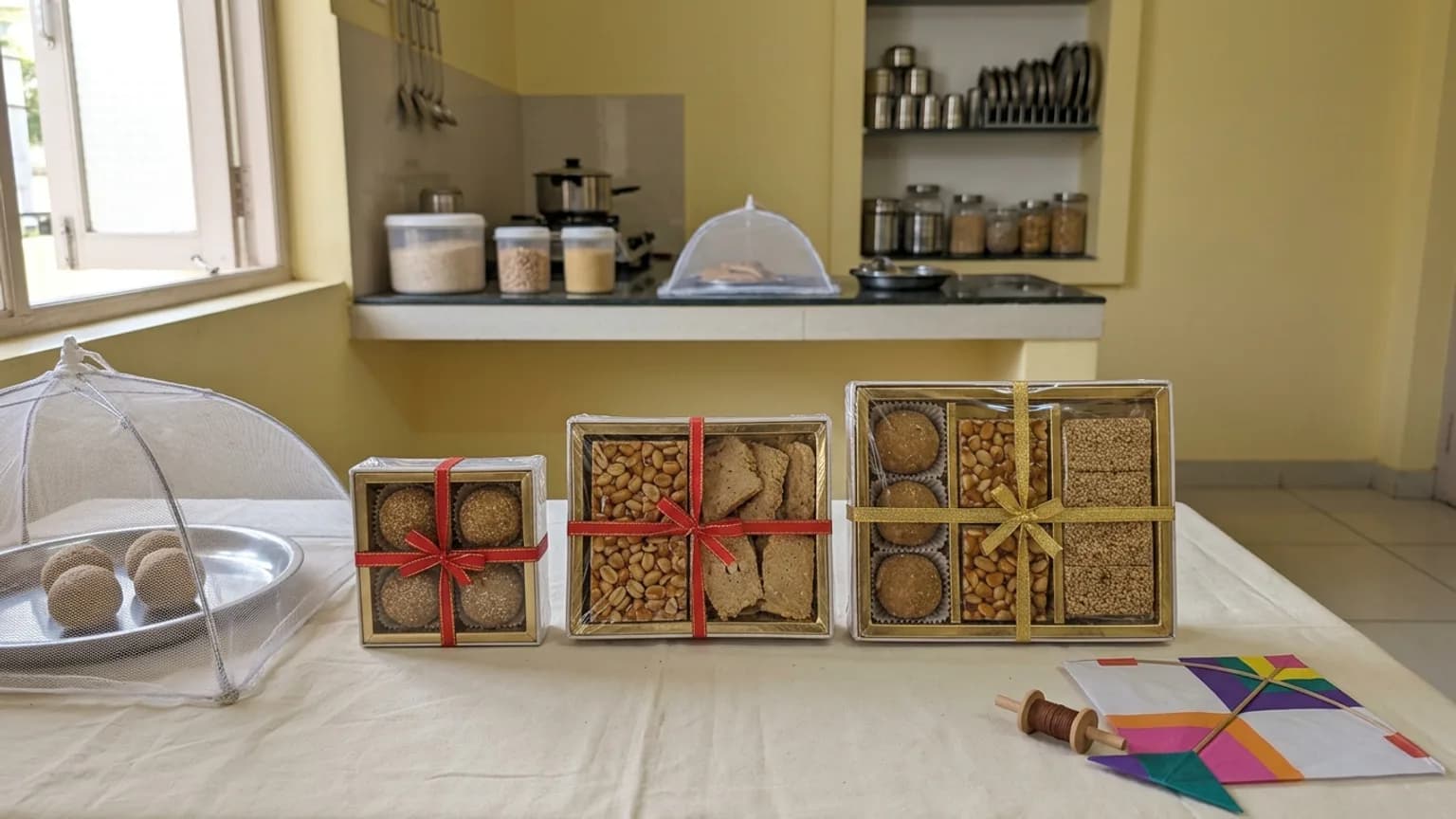
Festival buyers usually want a box, not a loose sweet: for the family, for relatives in another city, for an office. A small number of fixed sizes lets you batch and keeps your price list short.
| Size | Who buys it | What to remember |
|---|---|---|
| Small box | Neighbours, colleagues, a quick gift | Your entry price. Easy to say yes to, easy to add to a bigger order. |
| Family box | Relatives and friends across town | Your best seller. Mix two or three items so one box covers everything. |
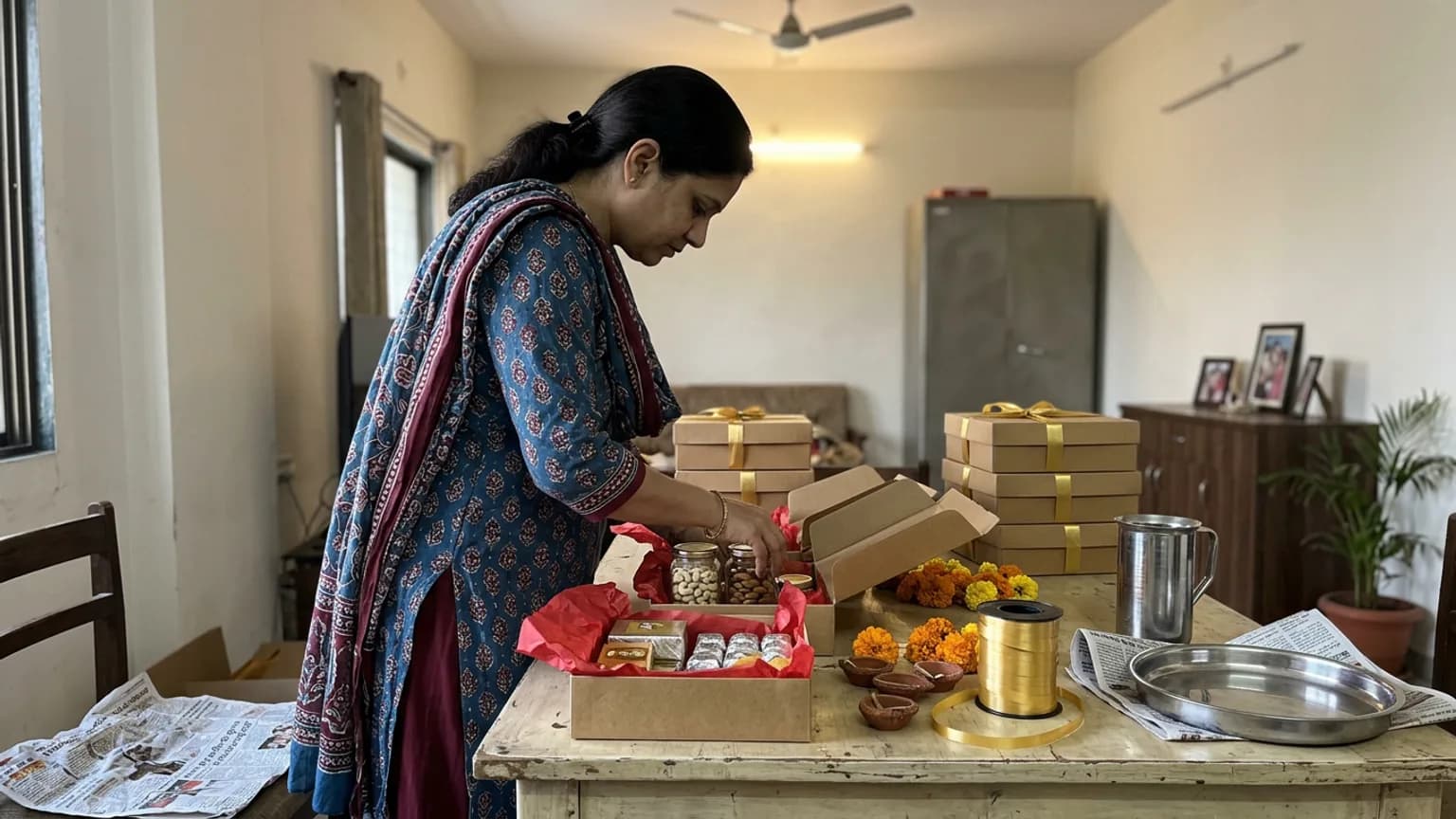
| Large or gift box | Bosses, clients, out-of-town family | Better packaging matters more than more sweets. Keep the item count small. |
| Bulk | Offices, societies, shops | Priced on request, with an earlier last date for orders. |
Set your cut-off dates before customers ask
Most festival trouble is about dates. Decide three and print them everywhere: the last day for bulk orders, the last day for courier or out-of-town orders and the last day for local delivery or pickup. Working back from 14 January, bulk comes first because it takes your longest days, courier comes next because couriers slow down before a festival, and local comes last.
Then fix your delivery rules: a flat charge, free delivery above a certain order value and a minimum order for far areas are all fair, as long as they are written down before the first customer asks.
Put orders in one place, not in chat
Chat is fine for people discovering you and poor for orders. An order is a list of facts: which sweet, which size, how many, for which date, delivered where, paid or not. In a chat thread, mixed with "ok 👍" and voice notes, those facts get lost, and in festival week a lost order is the one that costs you a customer.
Here is how it works on KioSnap, a storefront built for India's home brands. Customers open your link or scan your QR code on their phone, with no app to install for them, and every order lands on your dashboard. It is the same approach as in our Diwali hamper plan, with shorter lead times.
Build the catalog
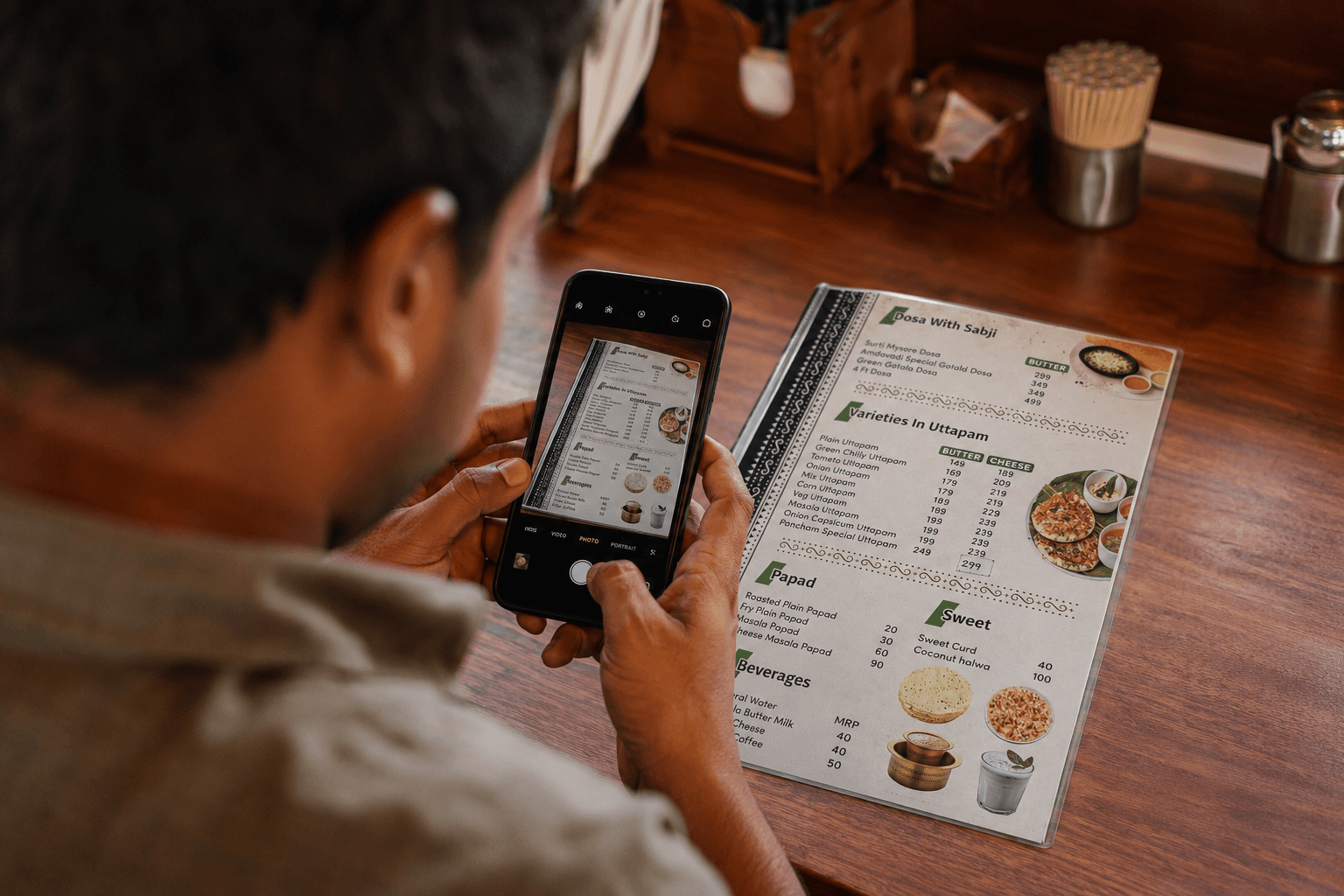
Type your sweets in, or photograph your printed price list and let the AI read the items and prices for you to check. See scan your menu with AI.
Add sizes and photos
Give each sweet its box sizes, each with its own price, and up to ten photos or a video. See sell in sizes with variants and add item photos and videos.
Bundle for gifting
A laddoo box plus a chikki box as one deal is easier to buy than two items. See create combo offers.
Set delivery and slots
Choose delivery or pickup, add your flat charge, free-above amount and minimum order, and turn on advance orders so customers book a date with the notice you need.
Share the link and QR
Pin the link in your Instagram bio, set it as your WhatsApp Business link and print the QR on your boxes. See share your store QR.
Customers pay you directly, by cash on delivery, pay on pickup or UPI you collect yourself. KioSnap does not process payments and takes no commission on your sales.
What about bulk orders from offices and societies?
List a bulk box with its price on request. The buyer sends an enquiry with the quantity and a note, you reply with a quote, and it becomes an order only when they accept. The whole exchange sits on your order board, not in a chat. This needs an order-taking plan, which starts at Charcoal.
The last fortnight: pack, deliver, note
By now you should be packing, not answering. Keep your days simple: one batch per item, one delivery run per day and one daily check of what is due tomorrow. When orders sit on one board, tomorrow's packing list is a glance rather than an evening of scrolling.
- Count the batches you really used, so next year you buy jaggery and sesame in the right quantity.
- Note which size sold best and which one nobody chose. Cut the weak one.
- Keep your customer list. People who bought for Sankranti are your first audience for Holi, summer sweets and the next Diwali.
What it costs, honestly
There are three common ways to take festival orders. Which is right depends on how many you expect and how much of your evening you want back.
| Option | Cost | What you give up |
|---|---|---|
| WhatsApp and DMs only | Free | Time, missed orders and any record of what sold |
| A marketplace or aggregator | Usually a commission on each sale | Part of every order, and your own customer relationship |
| Your own storefront, like KioSnap | ₹0 to start, order-taking from ₹299 a month | Nothing on your sales: zero commission |
- Makar Sankranti 2027 on most calendars
- 14 Jan
- to start, on the free plan
- ₹0
- a month to take orders
- ₹299
- commission on your sales
- 0%
The free Wood plan puts a three-item catalog on your own link, enough to see your storefront live today. Taking orders, with the board, combos and advance-order slots, starts on Charcoal at ₹299 a month after a 14-day free trial and a one-time ₹199 setup. Full details are on the pricing page.
The short version
Test a small range in the next few weeks, price it in a few fixed boxes, print your cut-off dates and keep every order in one place. Do that before December ends and the Sankranti rush becomes a packing job, not a message job. The date to plan around is 14 January 2027, though some panchangs say the 15th, so confirm it for your customers.
Common questions
When should I start taking Makar Sankranti sweet orders?
Open orders around mid-December and set your last dates for bulk, out-of-town and local orders on day one. Most buyers still order in the final fortnight, so be ready for that week.
Do my customers need an app to order sweets?
No. Your storefront opens in the browser on any phone from your link or QR code. KioSnap does offer an optional app for you, the vendor, but customers never install anything.
How do I get paid for festival orders?
Directly, the way you do today: UPI you collect yourself, cash on delivery or payment at pickup. KioSnap never holds your money and takes no commission on your sales.
Do I need an FSSAI registration to sell chikki and laddoo from home?
If you sell packed food, FSSAI rules can apply depending on your turnover. Check the current requirements on the official FoSCoS portal or with a local food safety officer before you open orders.
Can I take bulk orders from offices and societies?
Yes. List the box with its price on request, let the buyer send an enquiry with quantity and a note, and send a quote from your order board. This needs the Charcoal plan or above.
Put this into practice today
Create your free storefront in minutes. No app for your customers, zero commission on your sales.